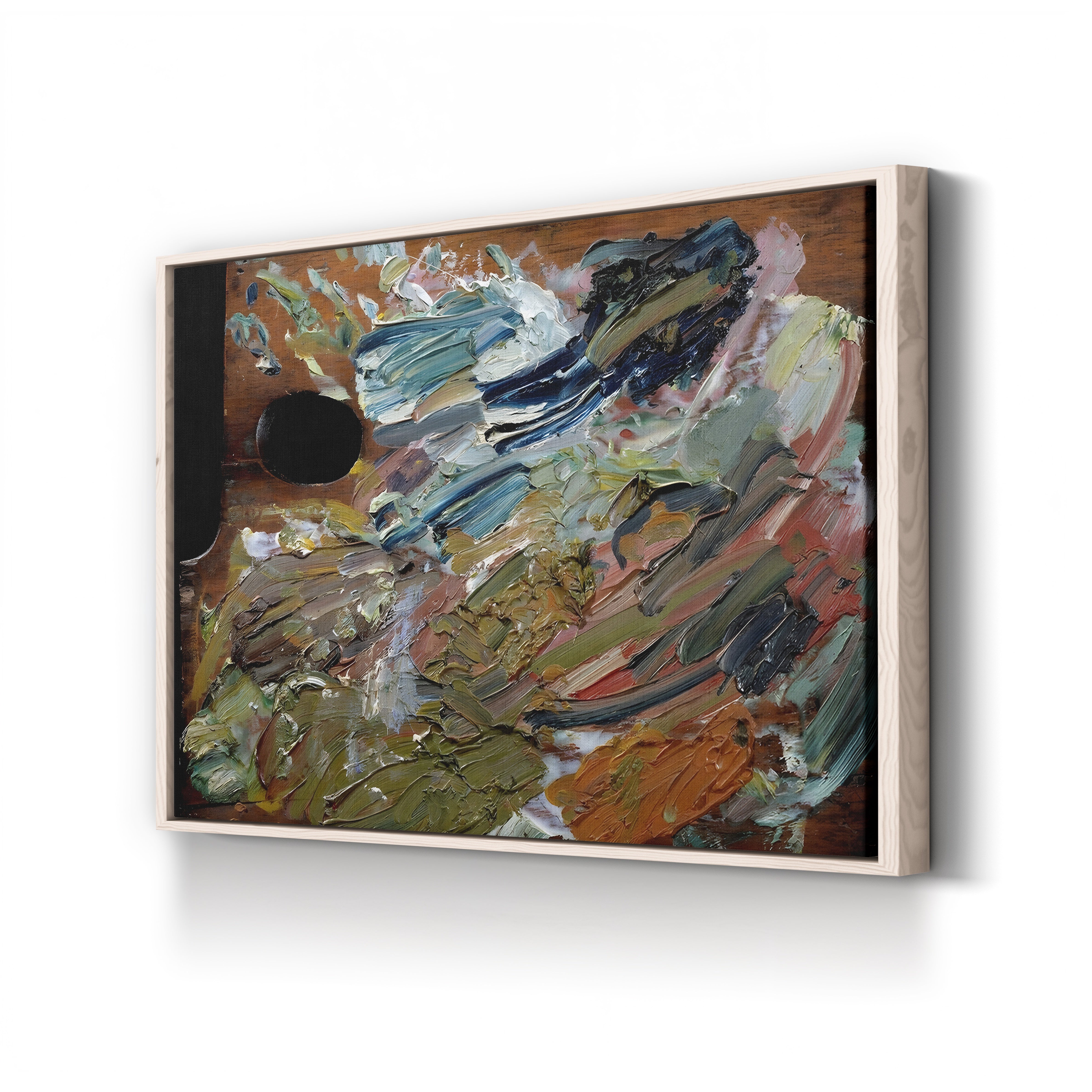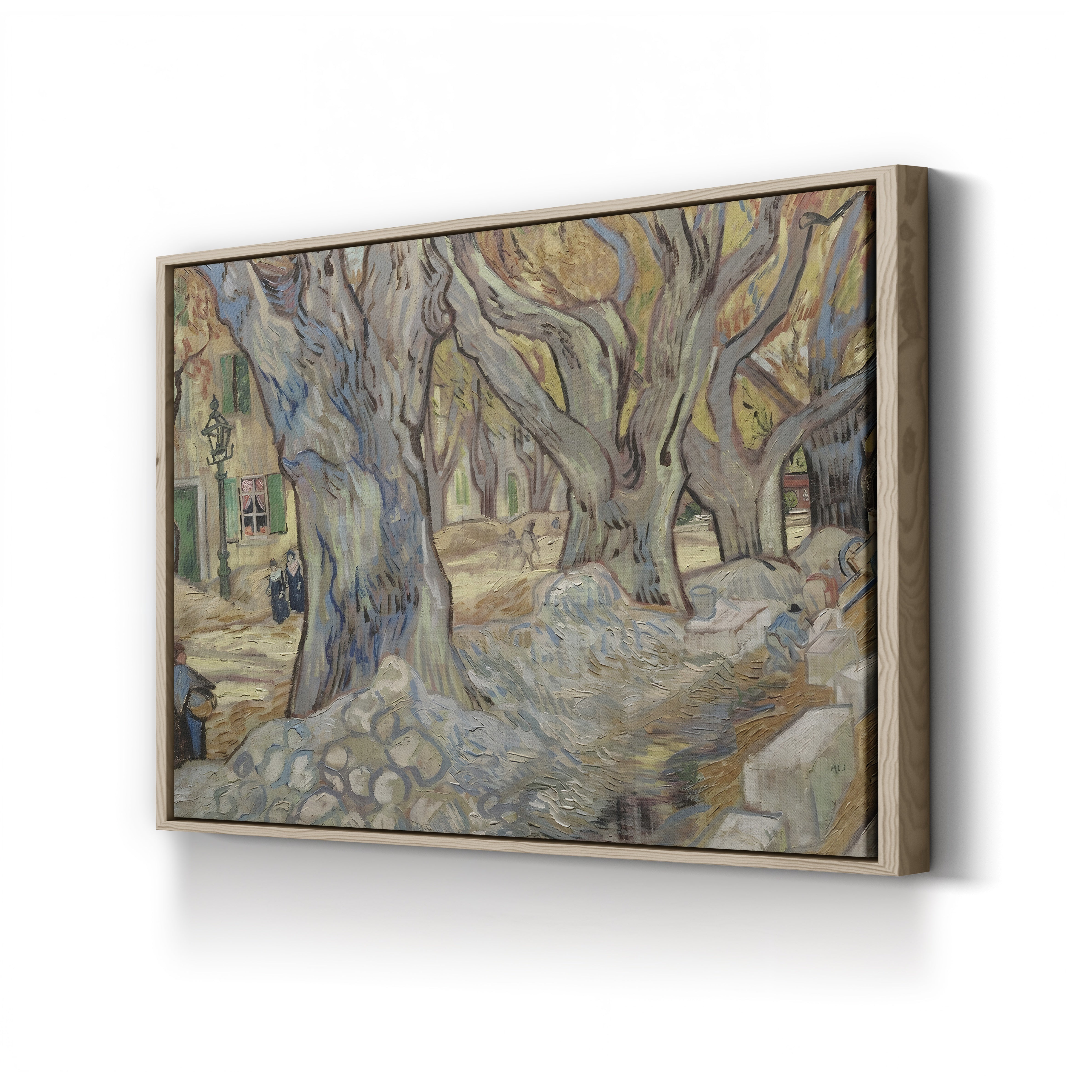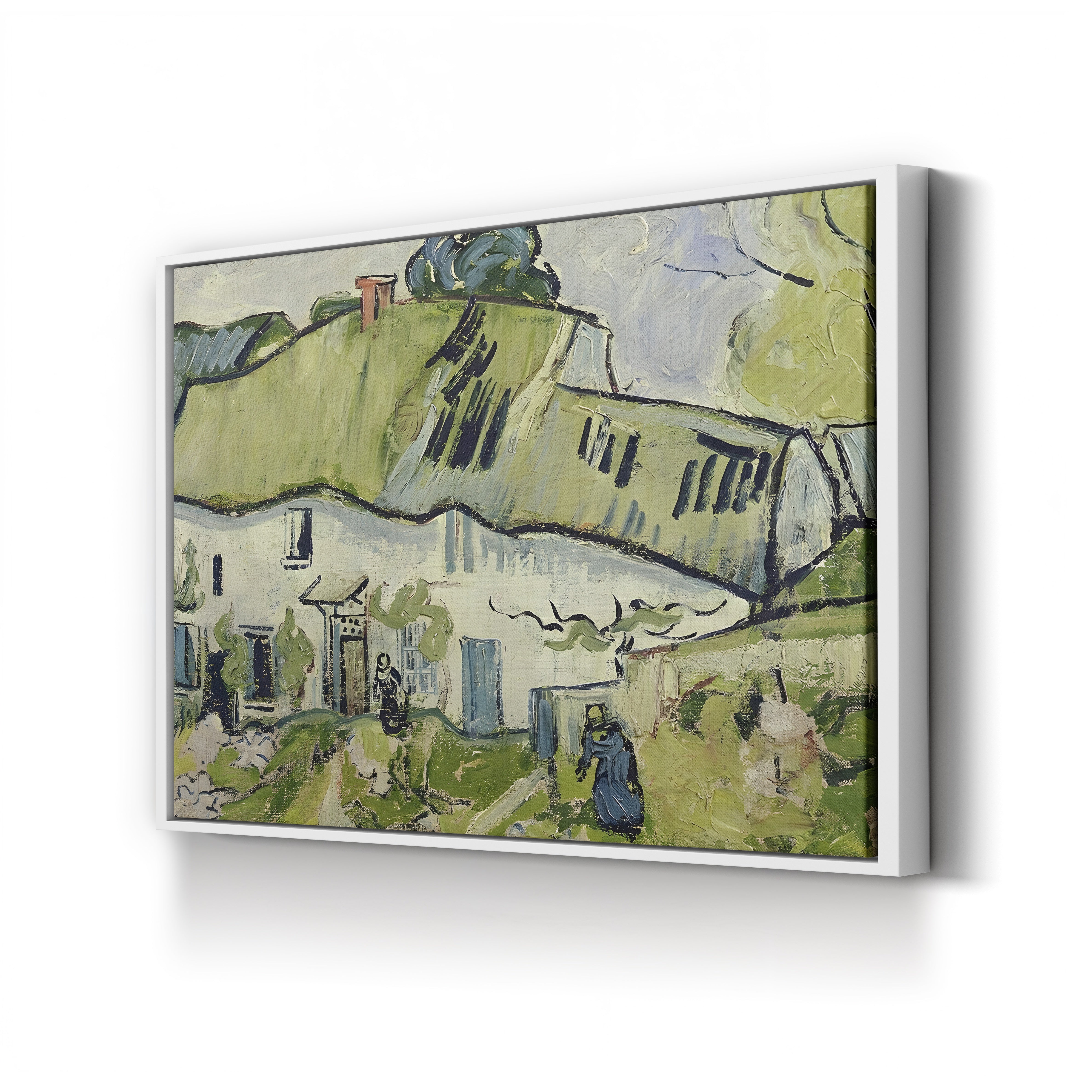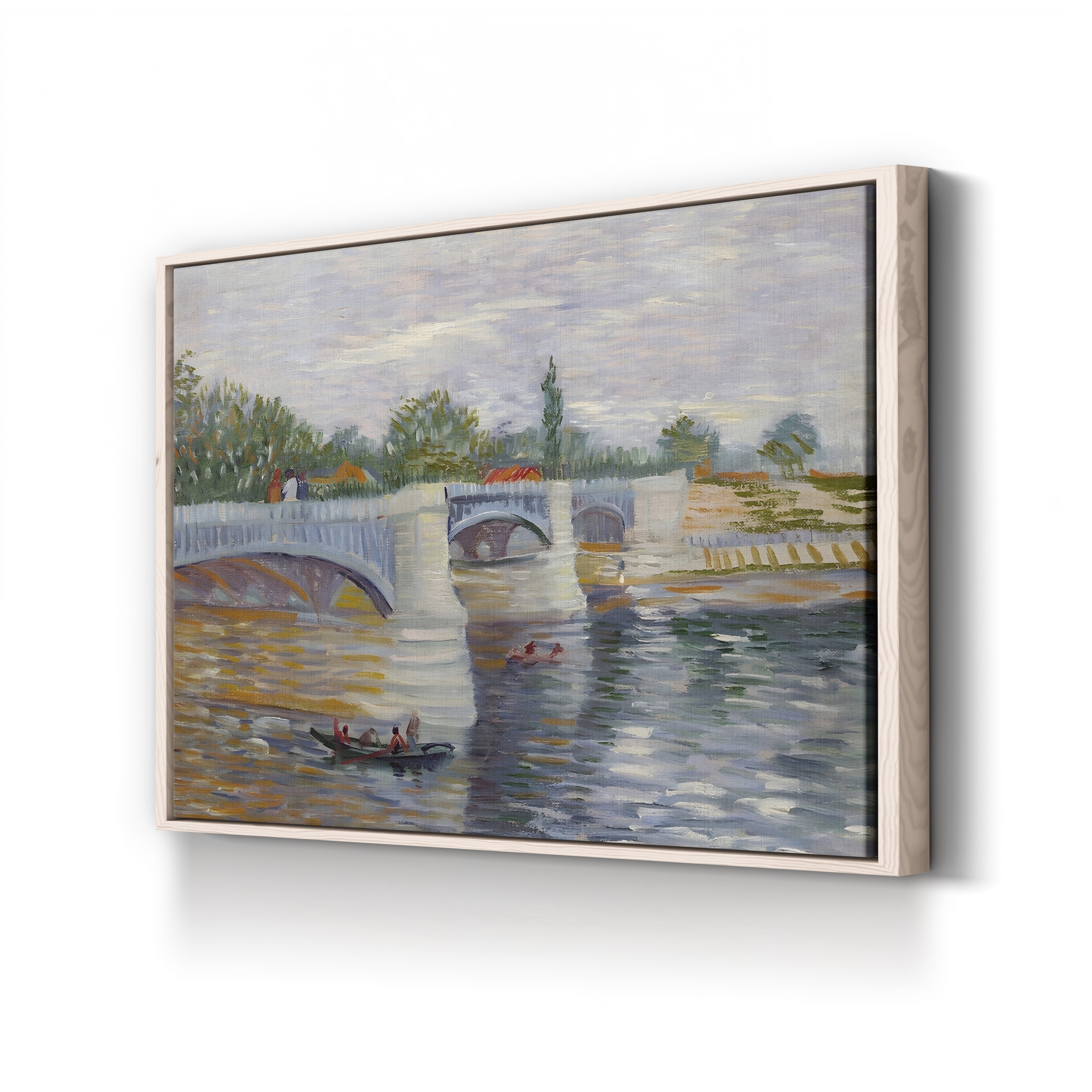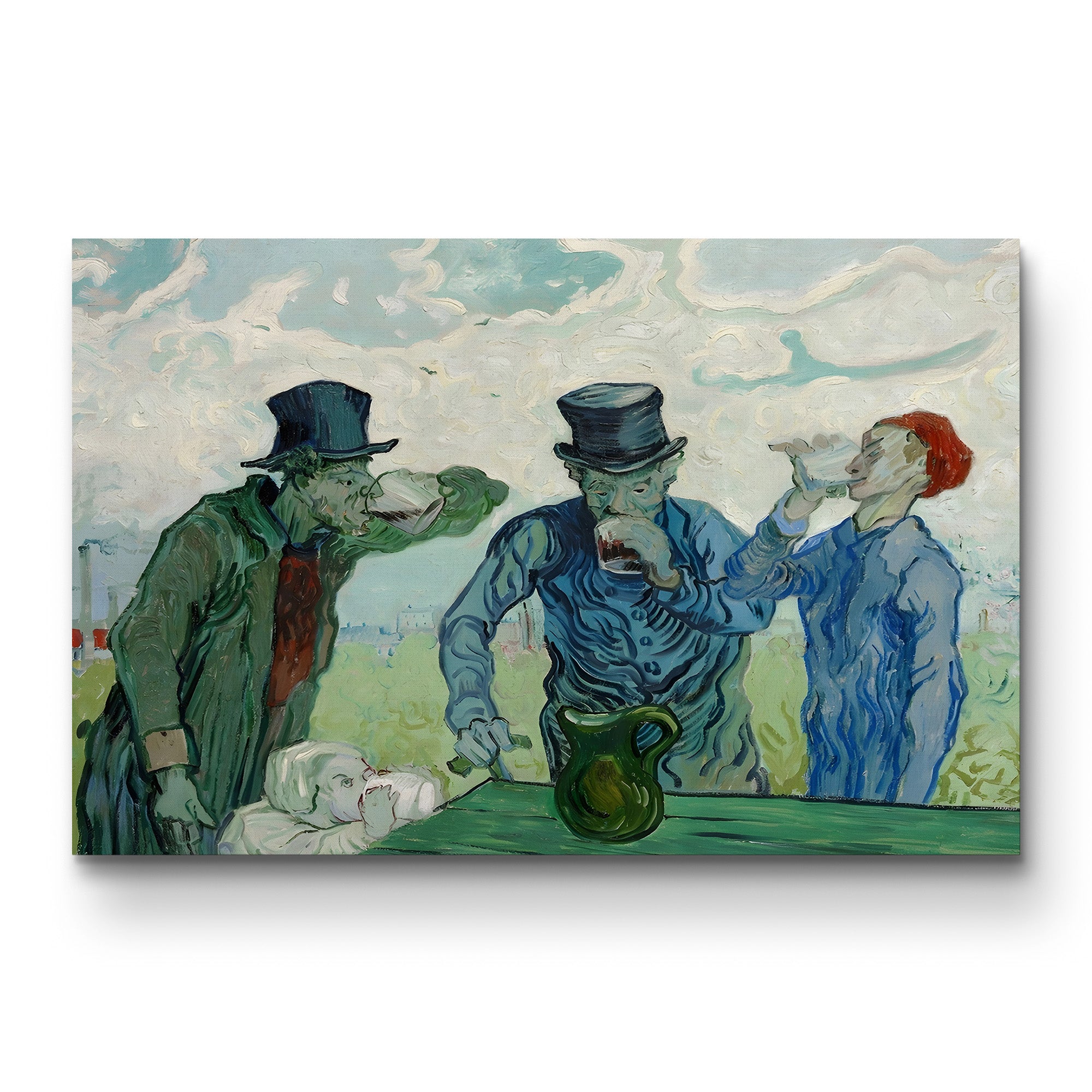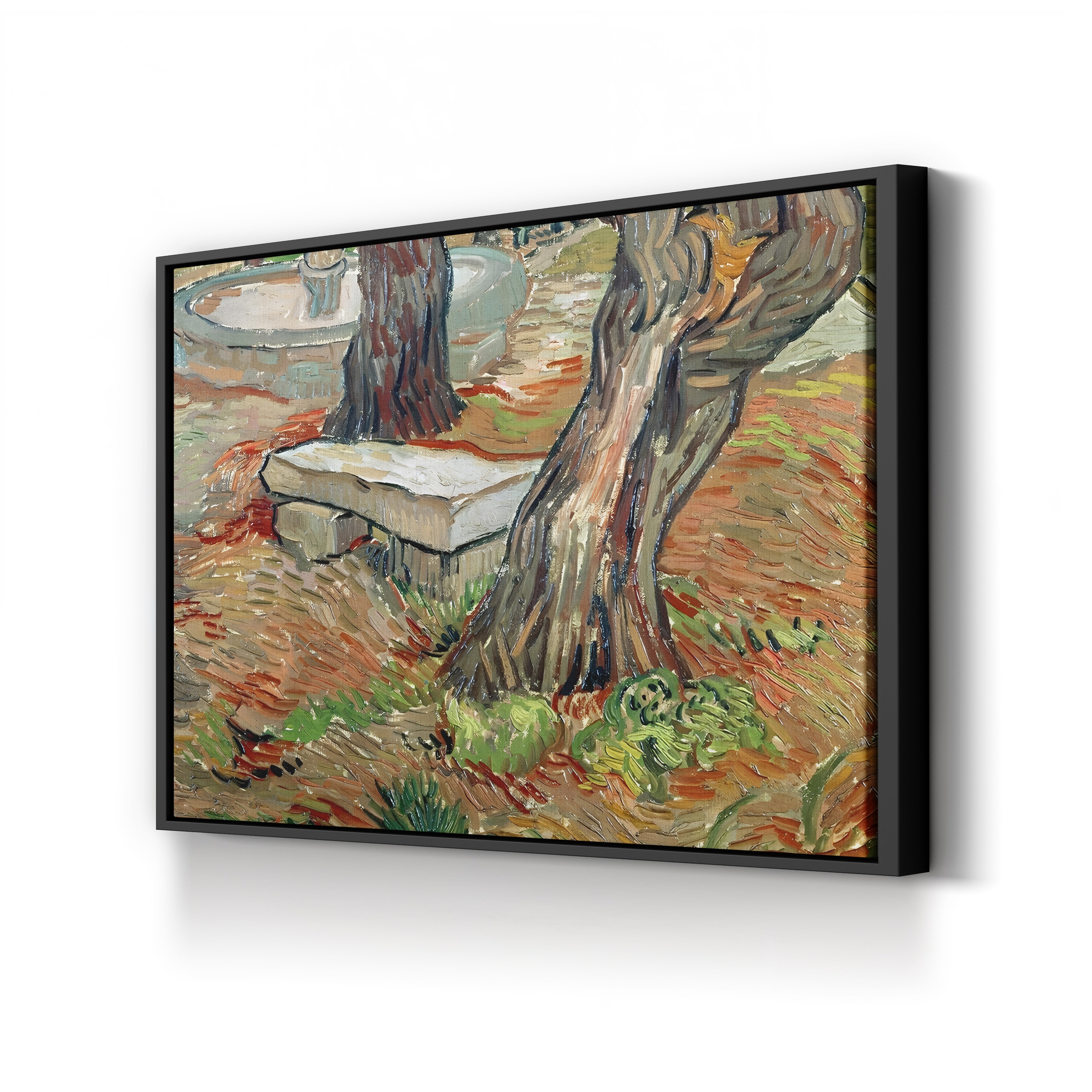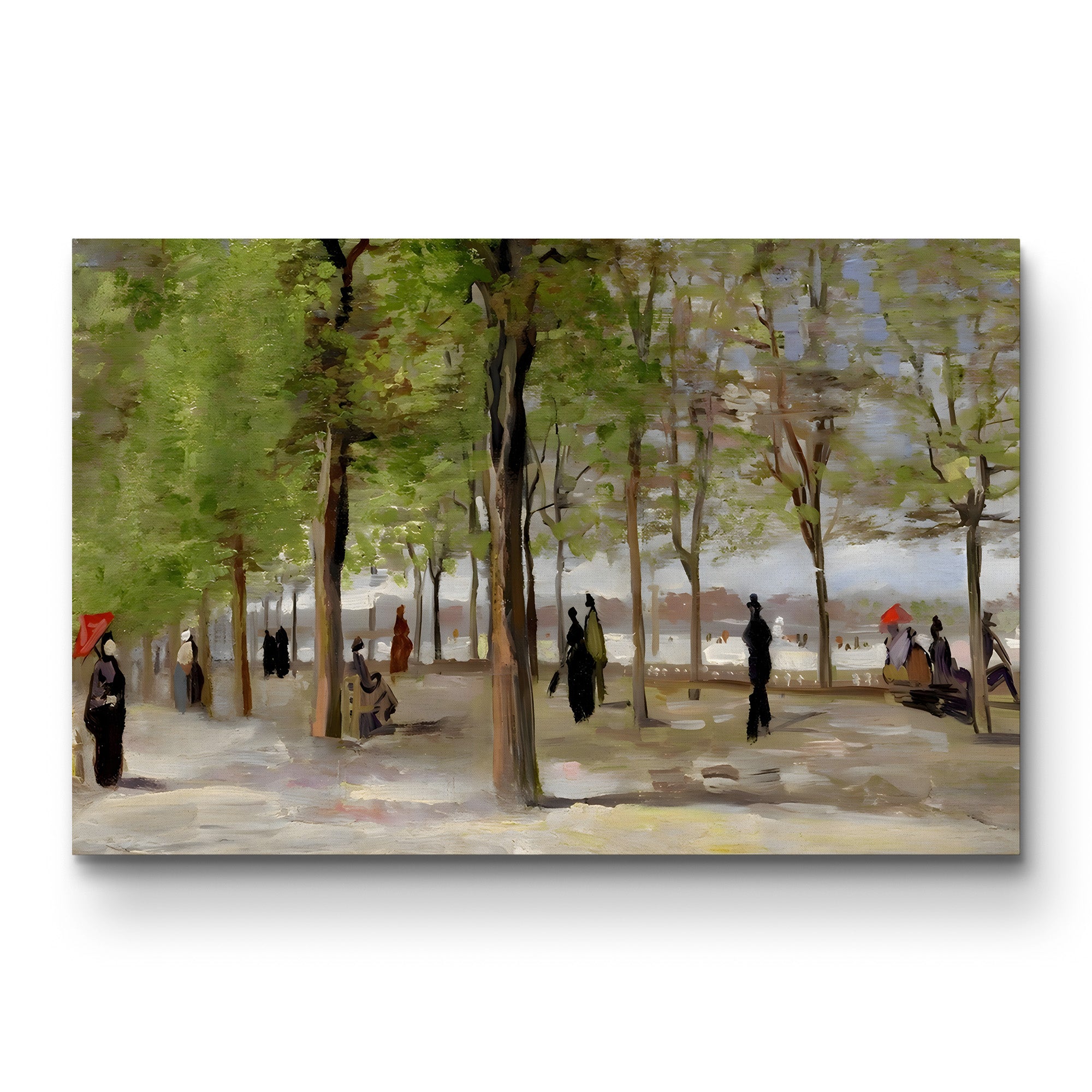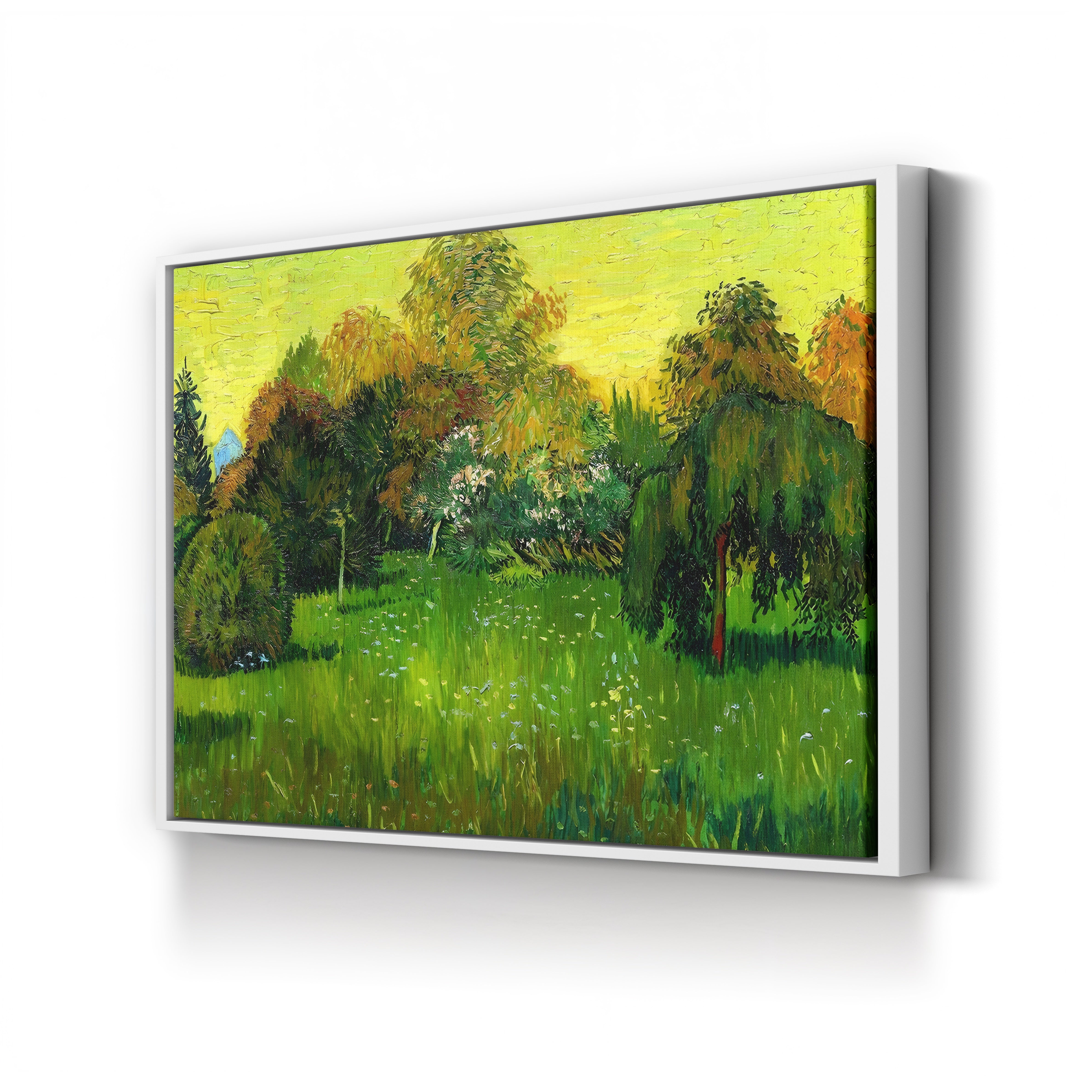
Vincent van Gogh (1853 to 1890) was a Dutch Post-Impressionist painter whose bold color and expressive, restless brushwork reshaped modern art, despite achieving almost no recognition during his own lifetime. Born in Zundert, Netherlands, he came to painting late, after years working as an art dealer, teacher, and lay preacher among coal miners in Belgium. His early work, made in the Netherlands between 1881 and 1885, favored a somber palette and centered on peasant life, culminating in The Potato Eaters. A move to Paris in 1886 exposed him to Impressionism and Japanese woodblock prints, and his palette brightened dramatically.
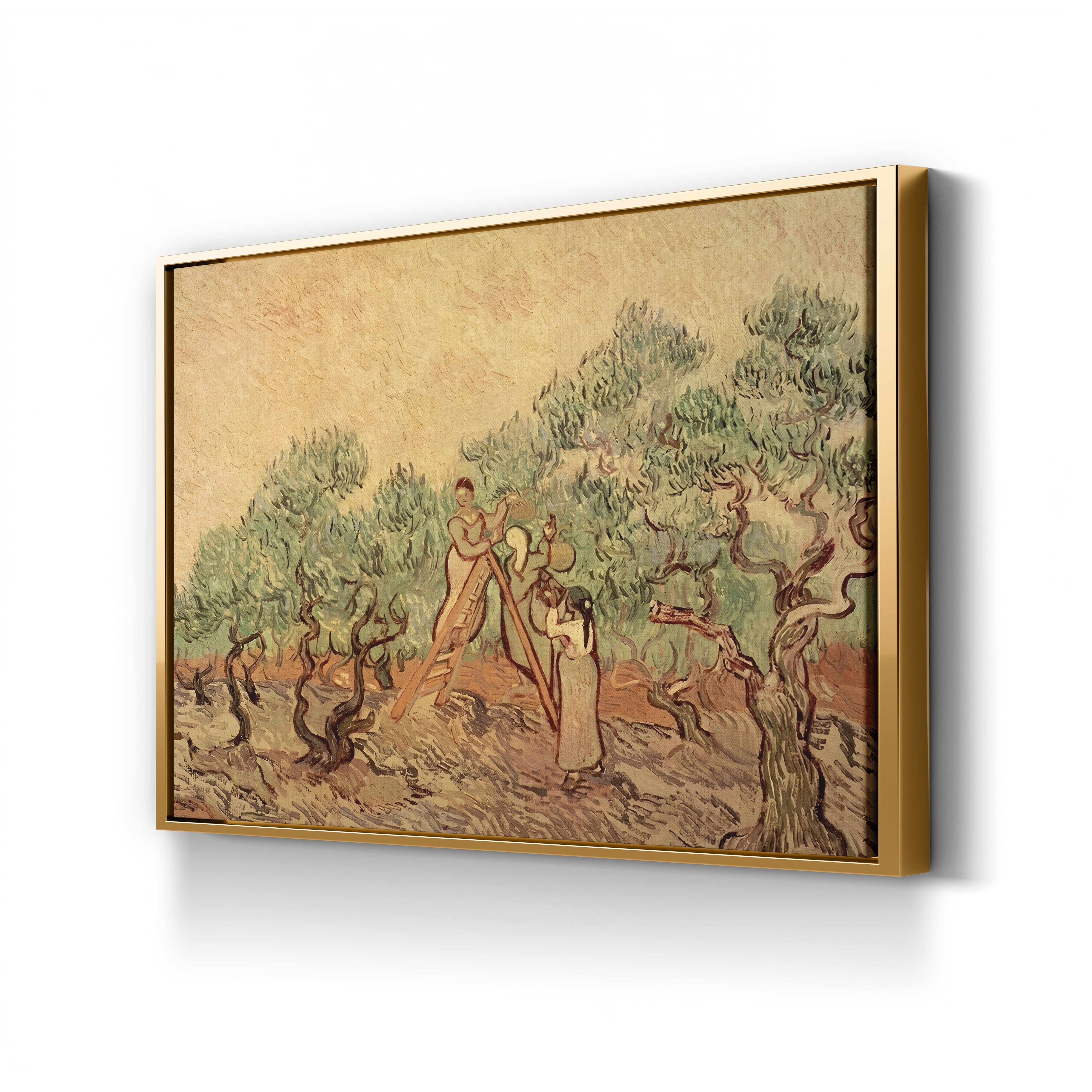
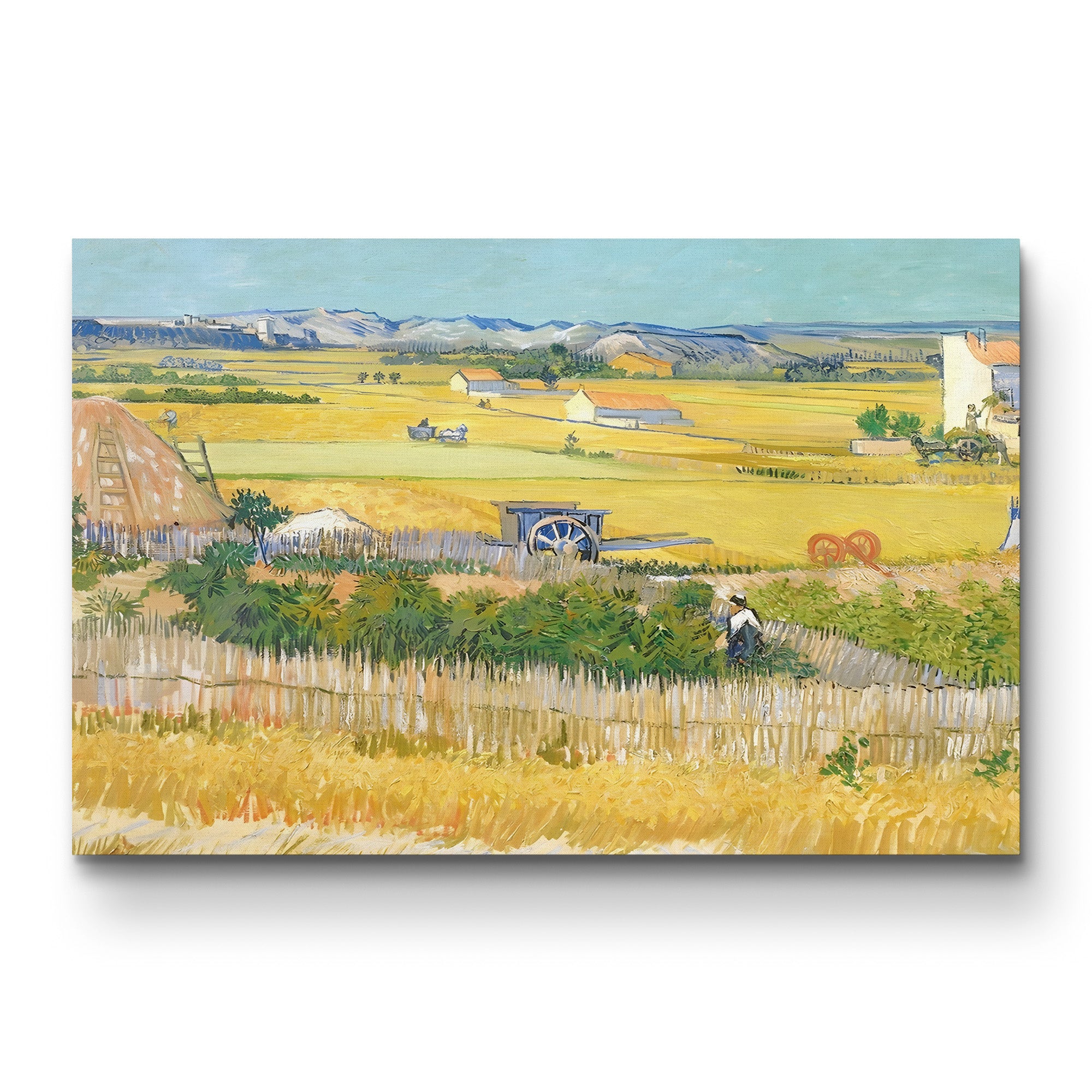
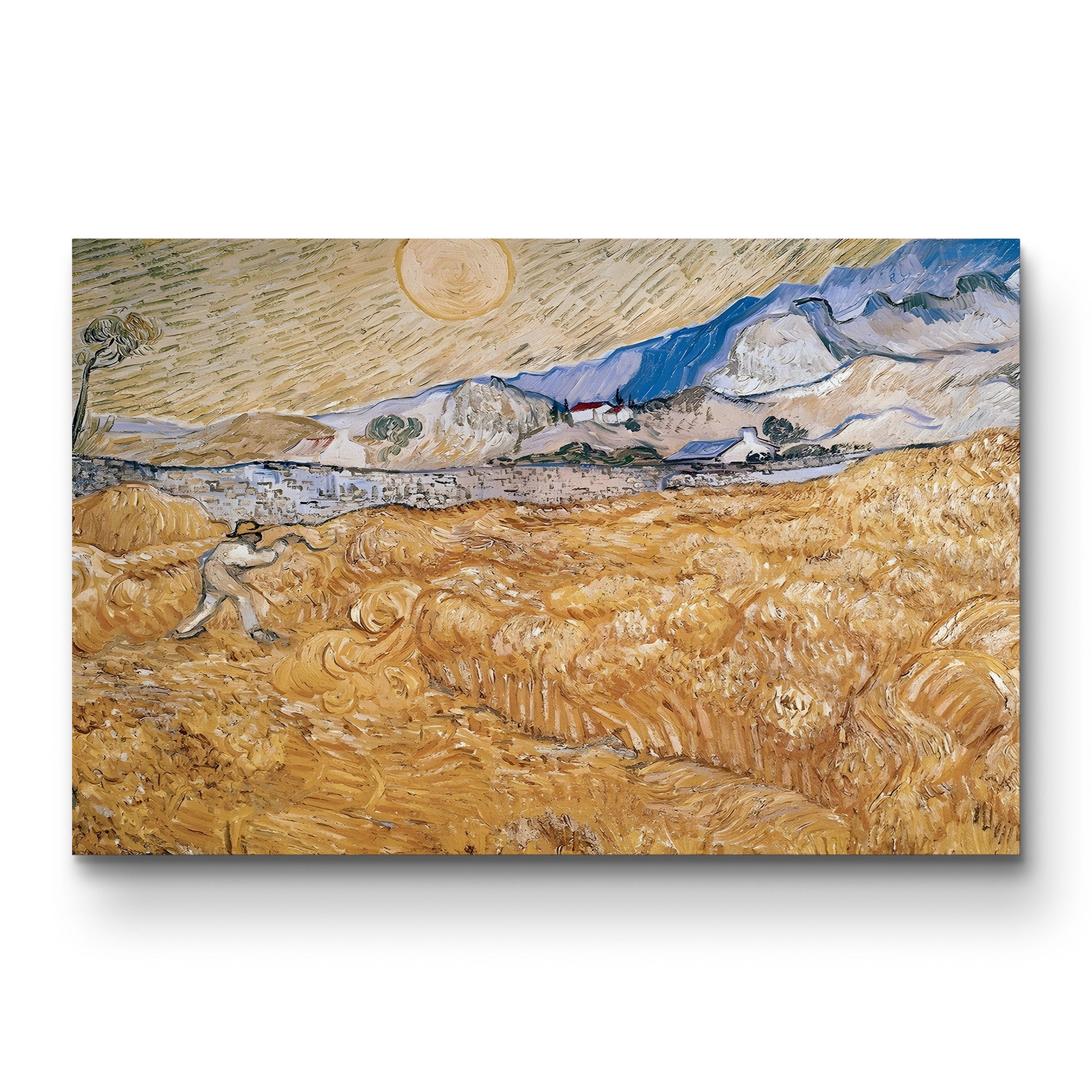
In 1888, van Gogh settled in Arles in the south of France, entering the most prolific period of his career. Working at extraordinary speed, he produced landscapes, portraits, and still lifes charged with intense color and swirling, textured strokes, including The Sower, Sunflowers, and The Yellow House. A mental health crisis late that year led to his voluntary stay at the asylum of Saint-Paul-de-Mausole in Saint-Rémy-de-Provence, where he continued painting prolifically, producing The Starry Night and a celebrated series of cypress and olive grove studies. He spent his final months in Auvers-sur-Oise, painting with feverish intensity under the care of Dr. Paul Gachet before his death in July 1890 at age thirty-seven.
Van Gogh completed more than two thousand works in just over a decade, nearly all of them in his last two years. Largely unrecognized in his own time, he is now regarded as one of the most influential figures in the history of Western art, admired for the emotional directness and painterly urgency that defined Post-Impressionism.