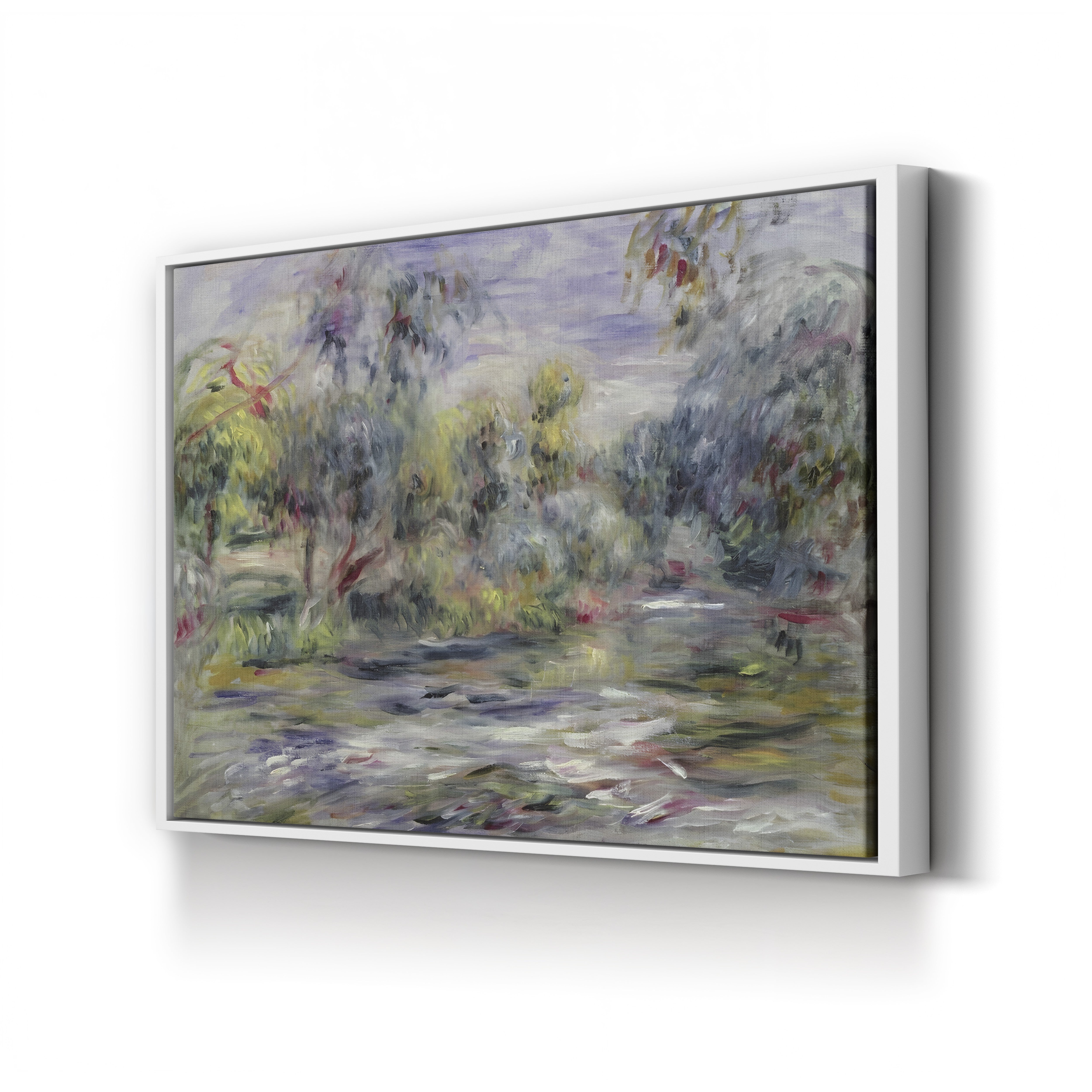
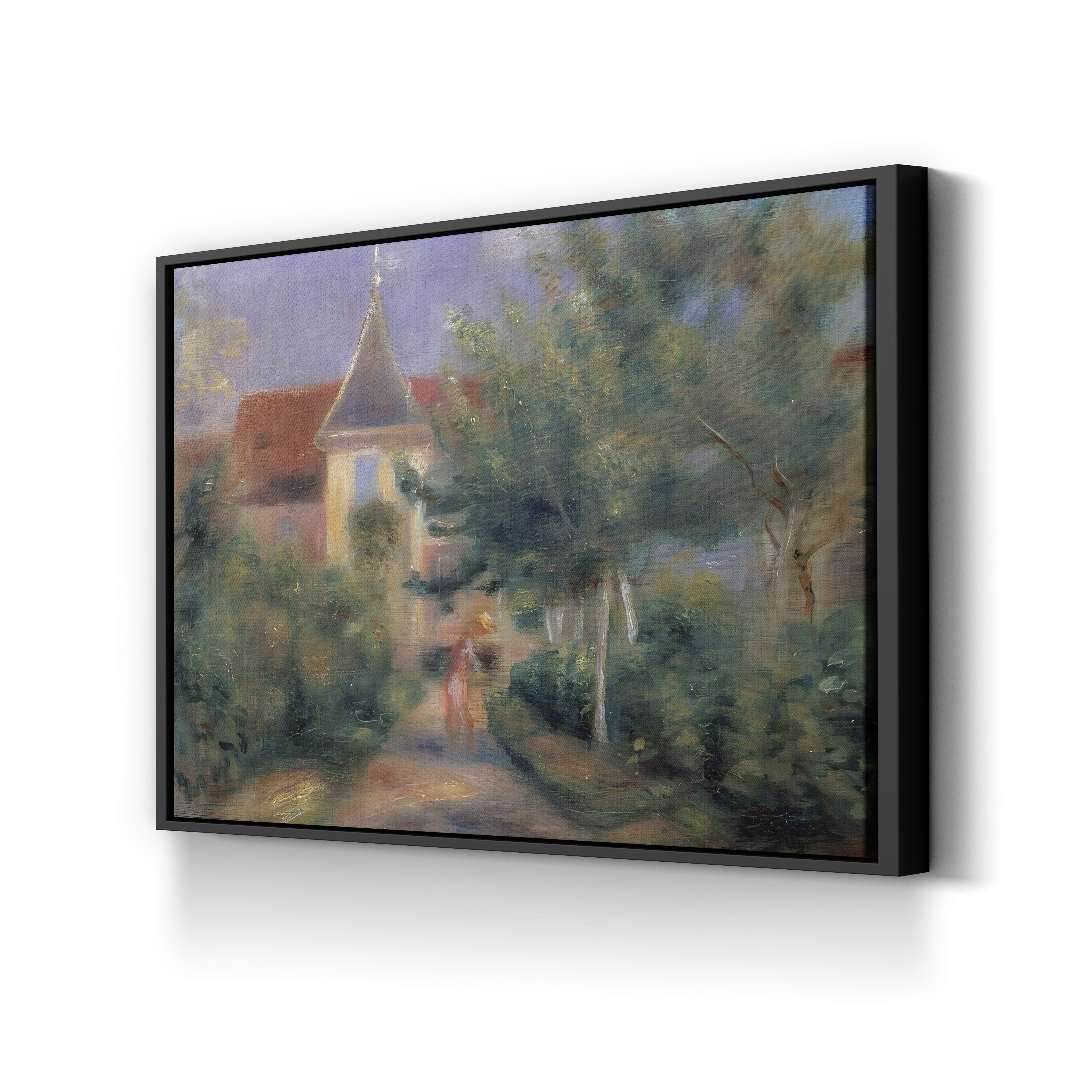
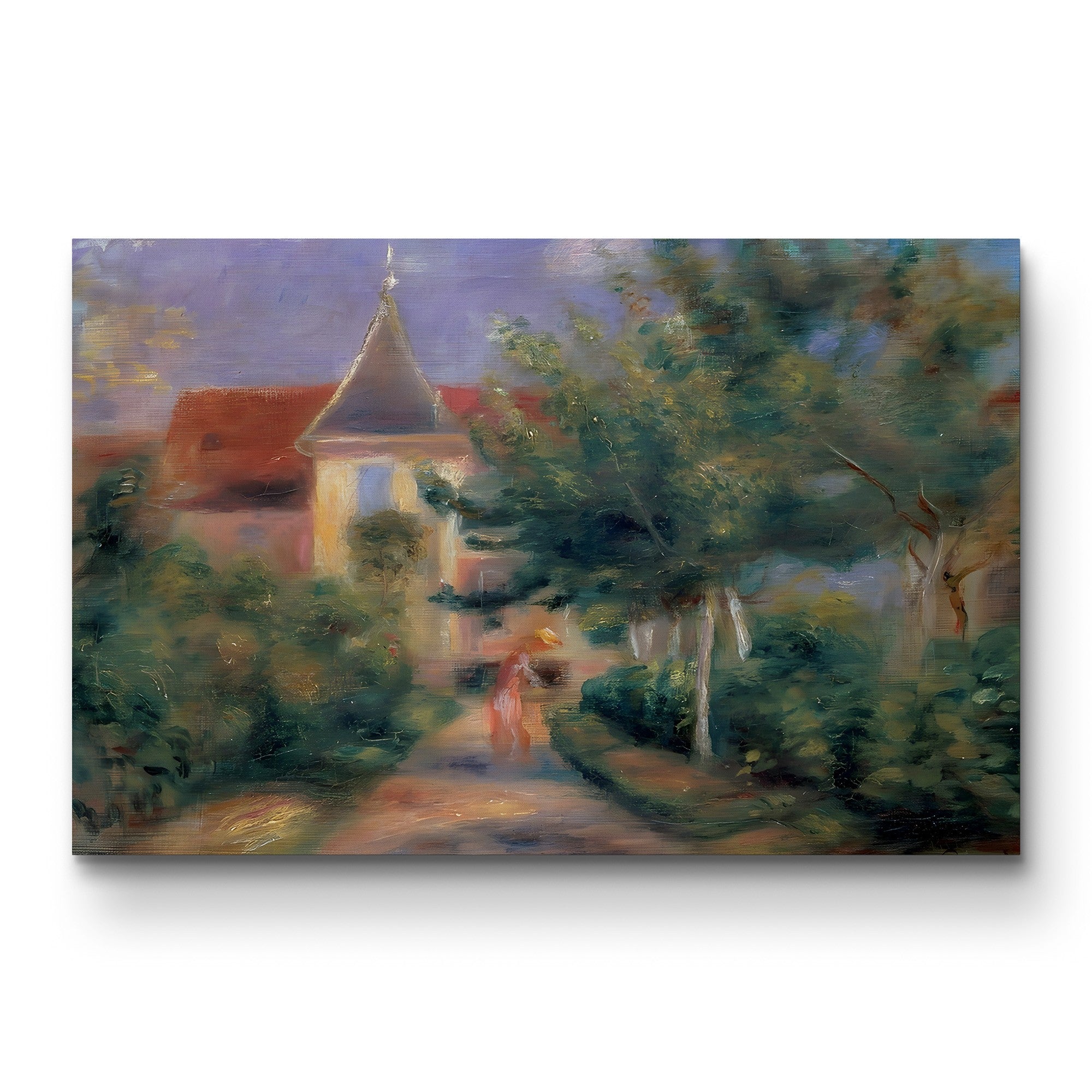
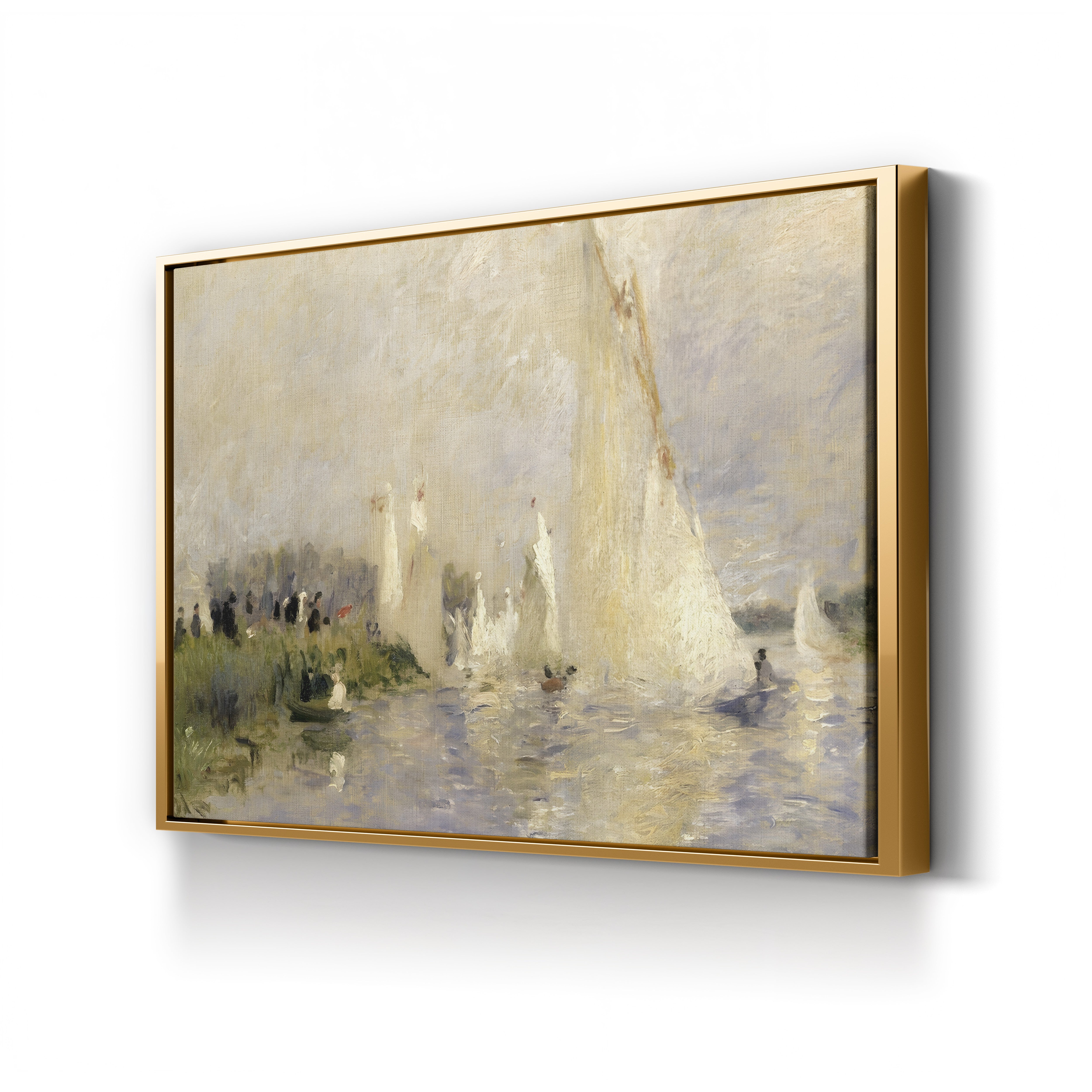
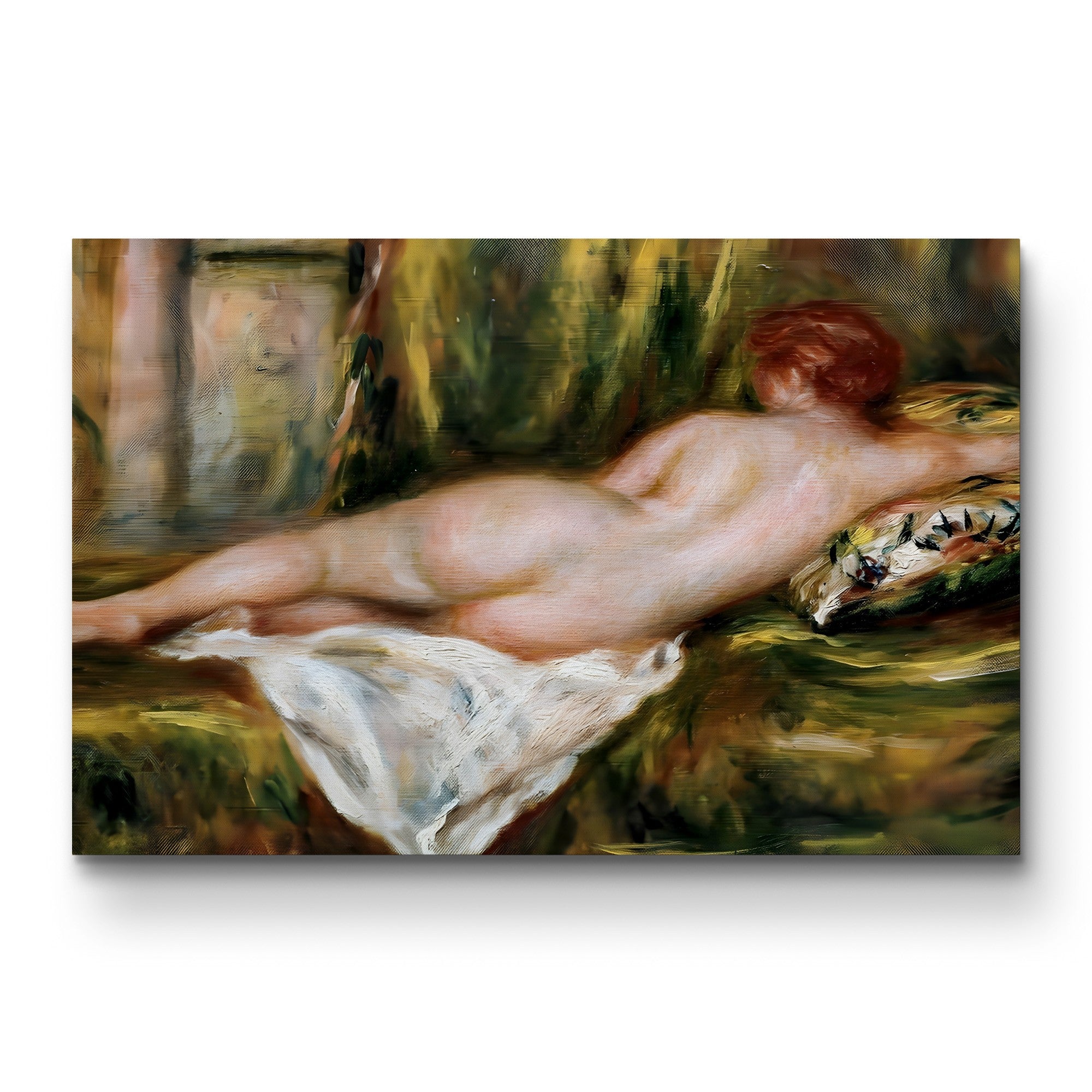
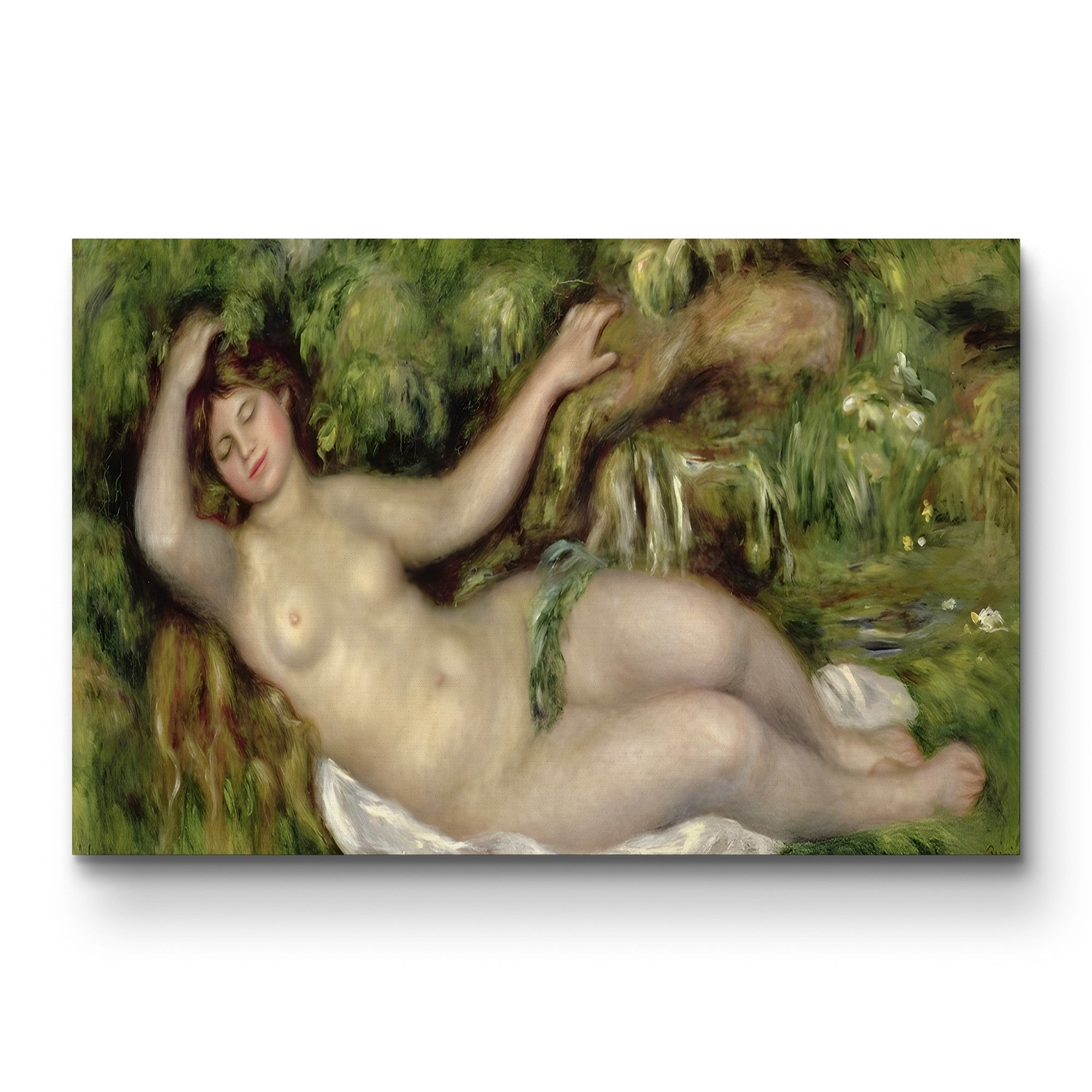
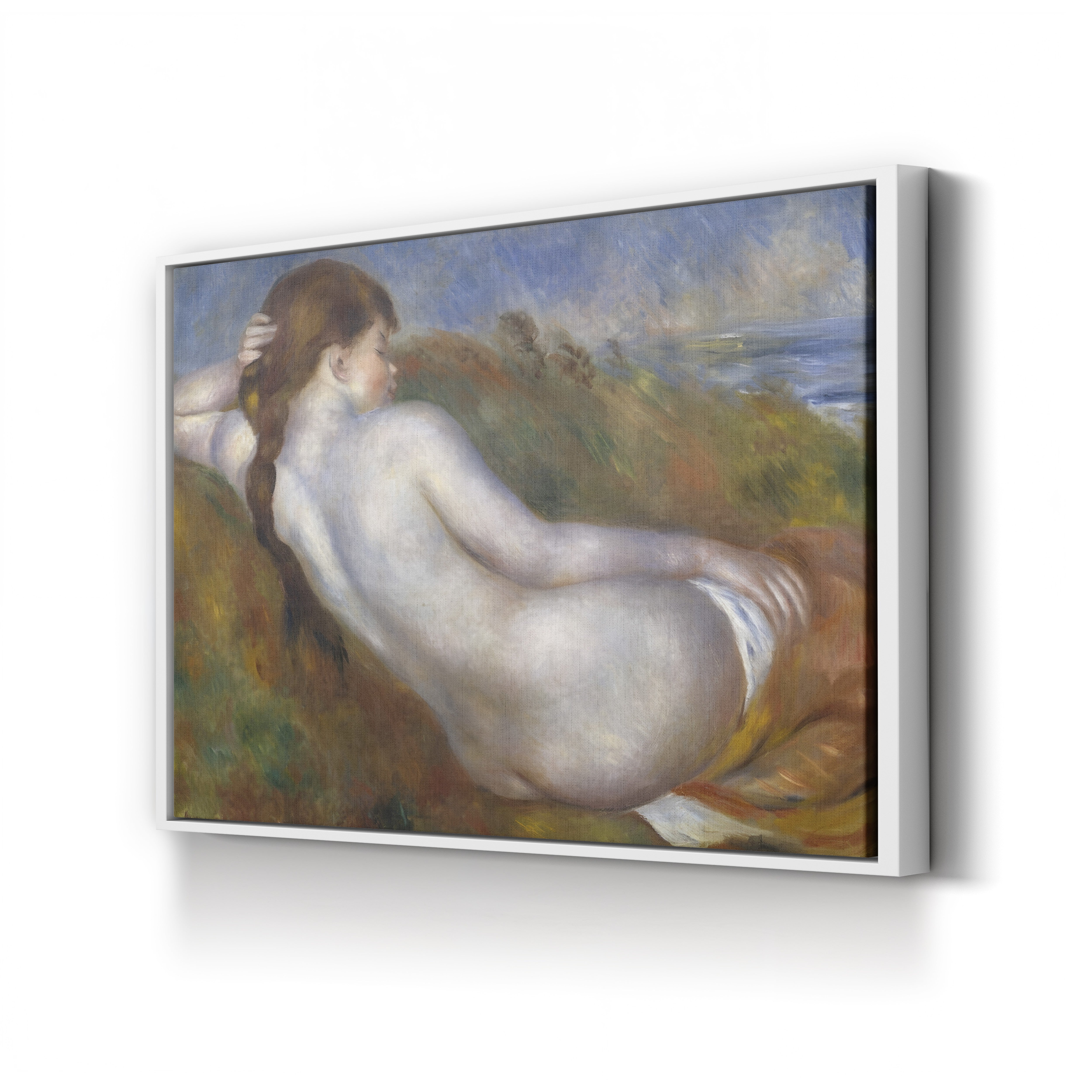
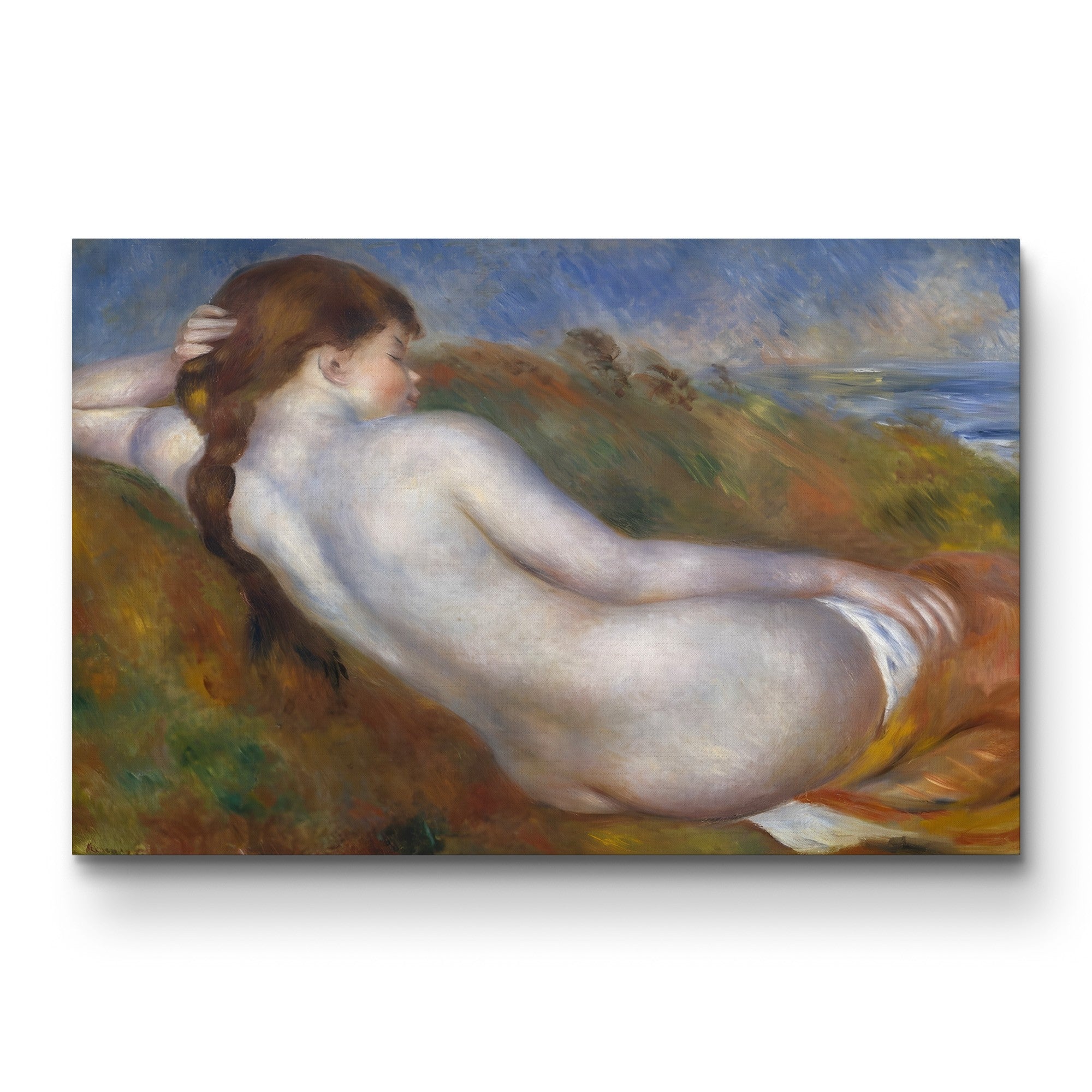
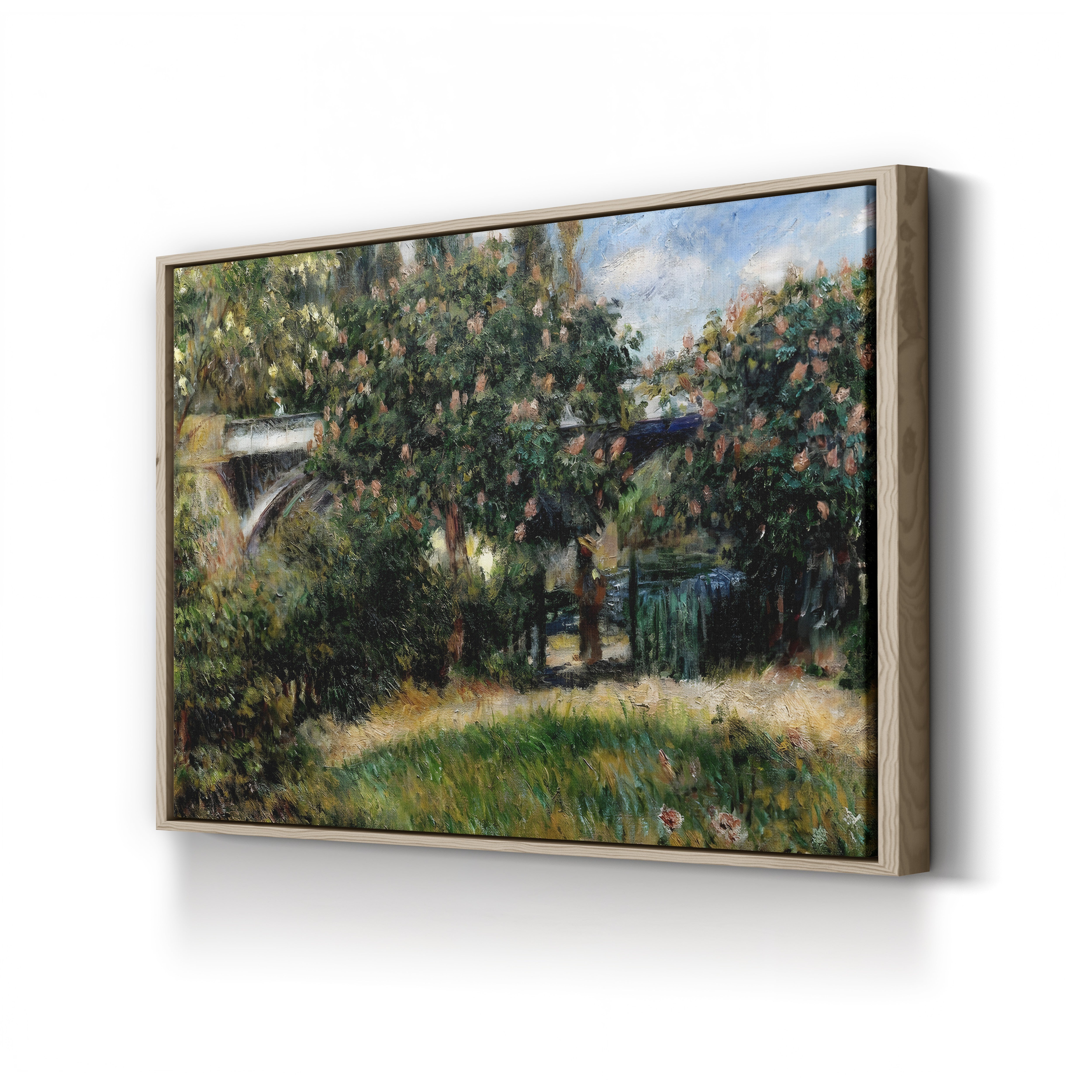
Pierre-Auguste Renoir (1841-1919) was one of the founding masters of French Impressionism, celebrated for his luminous color, soft brushwork, and warm, affectionate view of everyday leisure. Born in Limoges, he trained first as a porcelain painter before enrolling at the studio of Charles Gleyre in Paris, where he met Claude Monet, Alfred Sisley, and Frederic Bazille. Painting outdoors alongside Monet at La Grenouillere in the late 1860s, Renoir helped originate the broken, sunlit brushwork that would define Impressionism, and he exhibited in several of the movement's landmark group shows through the 1870s.
The following decade produced many of his best-loved works, including Luncheon of the Boating Party and Bal du Moulin de la Galette, dazzling scenes of Parisian social life rendered in dappled light and vibrant color. A trip to Italy in 1881-82 exposed him to Raphael and the Renaissance masters, prompting a more classical, sharply-drawn "Ingres period" before he settled into the fuller, warmer style of his mature work. In his final decades, though increasingly disabled by rheumatoid arthritis, Renoir continued painting daily at his estate Les Collettes in Cagnes-sur-Mer in the south of France, producing sun-drenched landscapes, portraits, and nudes until his death in 1919.
This collection gathers museum-quality canvas reproductions spanning Renoir's full career, from his early Impressionist river scenes to his sun-warmed late paintings of the French Riviera, each available as a ready-to-hang canvas print.